 By Samantha Paul
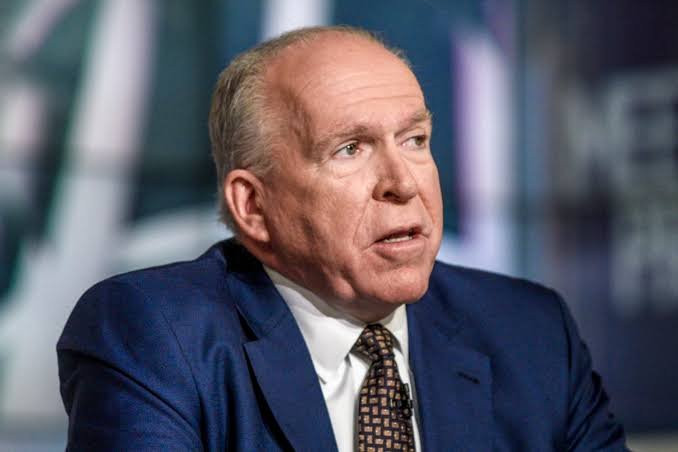
 Former CIA Director John Brennan has taken the unusual step of suing President Donald Trump, the U.S. Department of Justice and several senior administration officials while federal criminal investigations involving Brennan remain underway. The lawsuit does not seek monetary damages or ask a court to immediately decide whether Brennan committed a crime. Instead, Brennan wants a federal judge to order the government to preserve communications and investigative records that he says could become crucial if prosecutors later indict him. The Trump administration is asking the court to dismiss the case.
Why Did John Brennan Sue the Trump Administration?
Brennan filed Brennan v. Blanche et al., Case No. 1:26-cv-02323, on July 1, 2026, in the U.S. District Court for the District of Columbia.
The defendants include President Trump, the Department of Justice, FBI Director Kash Patel, CIA Director John Ratcliffe, the CIA, the Office of the Director of National Intelligence, White House Chief of Staff Susan Wiles and other administration officials. U.S. District Judge Jia M. Cobb is overseeing the case.
Brennan argues that government records concerning investigations targeting him must be preserved because he may eventually need them to challenge a criminal prosecution as politically motivated or vindictive.
What Is the Justice Department Investigating?
The controversy relates largely to Brennan’s role in the intelligence community’s examination of Russian interference in the 2016 presidential election.
Brennan served as CIA director under President Barack Obama from 2013 until January 2017. He participated in the preparation of the January 2017 intelligence assessment concerning Russian election interference.
Federal investigators have been examining whether Brennan made false statements to Congress while discussing that assessment, including questions surrounding the handling of material connected with the Steele dossier. A broader investigation has also examined allegations that officials participated in a conspiracy targeting Trump’s constitutional rights. Brennan denies wrongdoing.
As of August 29, 2026, no publicly reported criminal indictment has been returned against Brennan in connection with these investigations.
Brennan Claims Any Prosecution Could Be Vindictive
Brennan’s complaint argues that Trump has repeatedly called for investigations or prosecution of him and other officials involved in examining Russia’s activities during the 2016 election.
Brennan maintains that this history could support a future claim of selective or vindictive prosecution if he is charged.
Such a defense would require examining why prosecutors made their decisions. Brennan therefore wants records including government emails, text messages, internal memoranda, instant messages, calendar entries and communications among officials preserved before they can be deleted or lost.
The lawsuit does not establish that prosecutors are acting for political reasons. That is Brennan’s allegation, and the government disputes his characterization of the investigations.
Why Is Brennan Worried About Government Records?
Brennan’s attorneys argue that relying on ordinary government recordkeeping procedures is not enough.
His complaint points to concerns about officials using disappearing-message applications such as Signal and cites previous disputes over preservation of government communications. Brennan contends that potentially relevant evidence could disappear before an indictment gives him an opportunity to formally request it through the criminal discovery process.
He is seeking relief under the federal Mandamus Act and All Writs Act, along with a declaration and injunction requiring preservation of material connected with any potential prosecution.
Brennan Asked for a Preliminary Injunction
Brennan filed a motion for a preliminary injunction on the same day he filed his complaint.
The requested order would require federal officials to preserve relevant records while the lawsuit proceeds. His attorneys argue that waiting until criminal charges are filed could be too late if communications have already disappeared.
Two organizations, Lawyers Defending American Democracy and The Steady State, were permitted to file friend-of-the-court briefs concerning Brennan’s request.
Trump Administration Wants the Lawsuit Dismissed
On July 28, 2026, the administration filed a motion to dismiss Brennan’s lawsuit.
The government challenges the court’s subject-matter jurisdiction and argues that Brennan has failed to state a valid legal claim. It has also opposed his request for a preliminary injunction.
Brennan filed his opposition and additional material on August 11. The government submitted its reply supporting dismissal on August 18.
This means Judge Cobb must consider not only whether Brennan deserves a preservation order but whether the lawsuit itself can properly proceed before any criminal case has actually been filed.
When Is the Next Hearing?
Judge Cobb has scheduled a hearing on Brennan’s preliminary-injunction request for September 14, 2026, at 1:30 p.m. in Washington, D.C.
As of August 29, the court has not granted Brennan an injunction and has not ruled on the administration’s dismissal request. No party has yet prevailed in the civil case.
Why the John Brennan Lawsuit Matters
The Brennan case presents an unusual legal question because a potential criminal defendant is asking a federal civil court to protect evidence before prosecutors have filed charges.
If Brennan succeeds, the order could ensure that internal government communications remain available for any future constitutional challenge to a prosecution. If the Trump administration succeeds in dismissing the case, Brennan may have to wait until an indictment is filed before seeking comparable evidence through the criminal courts.
For now, the lawsuit is primarily a fight over preserving evidence, not a determination of Brennan’s guilt, innocence or the legitimacy of the federal investigations targeting him.