 By Olivia Wilson
 Vaping products are legal in Pennsylvania, but that does not mean every disposable, pod, or e-liquid sold in a store is lawfully marketable. Federal law controls which e-cigarettes may be sold in the United States, while Pennsylvania now adds its own product-directory and licensing rules. As of October 4, 2026, the legal market is undergoing an important transition because Pennsylvania will begin enforcing its new Electronic Nicotine Delivery System, or ENDS, directory rules on October 19, 2026.
Which Nicotine Vapes Are Federally Legal?
The U.S. Food and Drug Administration says only e-cigarette products that have received FDA marketing authorization may lawfully be sold in the United States. As of October 2026, the FDA lists 48 authorized e-cigarette products.
The authorized list includes specific products from Glas, JUUL, Logic, NJOY, and Vuse. This does not mean every product sold under those brand names is legal. Authorization applies to the exact devices, pods, cartridges, nicotine strengths, and flavors identified by the FDA.
Examples include certain Vuse Alto tobacco pods, NJOY ACE tobacco and menthol pods, JUUL tobacco and menthol products, several Logic products, and authorized Glas pods. In May 2026, the FDA also authorized four Glas pods, including Gold and Sapphire, marking the agency’s first authorization of ENDS products outside the traditional tobacco and menthol categories.
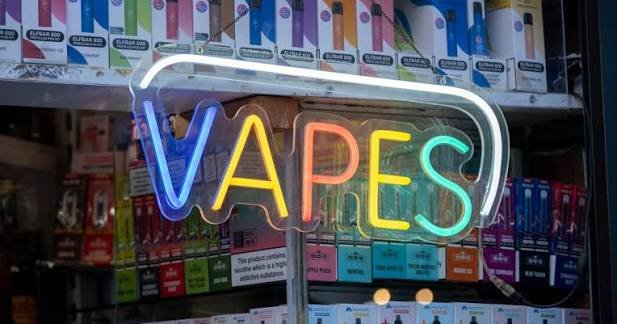
A product sitting on a vape-shop shelf is therefore not automatically legal. Retail availability and federal marketing authorization are not the same thing.
What Changes in Pennsylvania on October 19, 2026?
Pennsylvania enacted Act 57 of 2025, creating a state ENDS directory administered by the Office of Attorney General. Manufacturers of nicotine-containing electronic cigarettes intended for sale in Pennsylvania must submit certifications covering their products.
The Attorney General began publishing the directory in 2026 and is required to update it regularly. Under the law, October 19, 2026 is the enforcement date for the retail-sale prohibition. After that date, nicotine e-cigarette products that are not properly included on the Pennsylvania directory may not be sold for retail sale in the Commonwealth and may be treated as contraband.
Pennsylvania’s directory is a separate state requirement. Retailers must therefore pay attention to both federal FDA rules and Pennsylvania’s certification system rather than assuming compliance with one automatically resolves every issue under the other.
Are Flavored Vapes Legal in Pennsylvania?
Pennsylvania does not have a simple statewide rule saying that every flavored vape is banned. The more important question is whether a particular product is legally authorized and, after the state enforcement date, properly listed for Pennsylvania sale.
At the federal level, the FDA has authorized some menthol products and, in 2026, certain Glas products outside the tobacco-and-menthol categories. But many fruit, candy, dessert, and other disposable vapes commonly seen in stores are not on the FDA’s authorized e-cigarette list.
Consumers and retailers should check the exact product rather than relying on a broad description such as “flavored vape” or on the fact that a store carries it.
Who Can Legally Buy Vapes?
Federal and Pennsylvania rules prohibit retailers from selling tobacco products, including e-cigarettes, to anyone under 21. Retailers are expected to verify age and comply with applicable tobacco-licensing requirements.
Pennsylvania also imposes a 40 percent Other Tobacco Products tax on the wholesale purchase price of e-cigarettes and substances sold for use in e-cigarettes. The tax can apply to devices, liquids, and complete kits, including certain products that do not contain nicotine.
Do Local Rules Matter?
Yes. Cities can impose additional restrictions on where vaping products are sold or used.
Philadelphia, for example, requires tobacco retailers selling e-cigarettes and other vaping products to hold a city tobacco retailer permit. Philadelphia also prohibits the use of electronic smoking devices in locations covered by its smoke-free workplace rules, including outdoor dining and service areas.
That means a product may be lawful to sell under federal and state product rules while its use is still prohibited in a particular building, workplace, restaurant area, or other location.
What About THC or Marijuana Vapes?
THC and medical-marijuana vapor products fall under a different legal system. Pennsylvania’s Medical Marijuana Program permits approved forms of marijuana designed for vaporization for registered patients and caregivers through licensed dispensaries. Those products should not be confused with ordinary nicotine e-cigarettes regulated through the FDA and Pennsylvania’s tobacco laws.
The Bottom Line
Vapes are legal in Pennsylvania, but only within a layered federal and state regulatory system. For ordinary nicotine e-cigarettes, the safest legal test is to check the exact product against the FDA’s authorized e-cigarette list and, beginning October 19, 2026, Pennsylvania’s ENDS directory.
As of October 2026, FDA-authorized e-cigarette products include specific products from Glas, JUUL, Logic, NJOY, and Vuse. Not every product made by those companies is authorized, and the presence of an unfamiliar disposable vape in a store does not itself establish that it can lawfully be sold.
Anyone purchasing nicotine vapes must be at least 21, retailers must comply with state tax and licensing rules, and local governments such as Philadelphia may impose additional restrictions.
This article provides general legal information and is not legal advice.