 By Olivia Wilson
 John Dehlin, the longtime host of Mormon Stories Podcast, is fighting a federal trademark and copyright lawsuit brought by The Church of Jesus Christ of Latter-day Saints and its intellectual-property entity, Intellectual Reserve Inc. The dispute, filed on April 17, 2026, in the U.S. District Court for the District of Utah, centers on the podcast’s name, branding, and past use of images and design elements associated with the Church.
The case is Intellectual Reserve, Inc. and The Church of Jesus Christ of Latter-day Saints v. Open Stories Foundation and John P. Dehlin, No. 2:26-cv-00321. As of October 4, 2026, the lawsuit remains active, and no court has ruled that Dehlin or Mormon Stories infringed the Church’s rights.
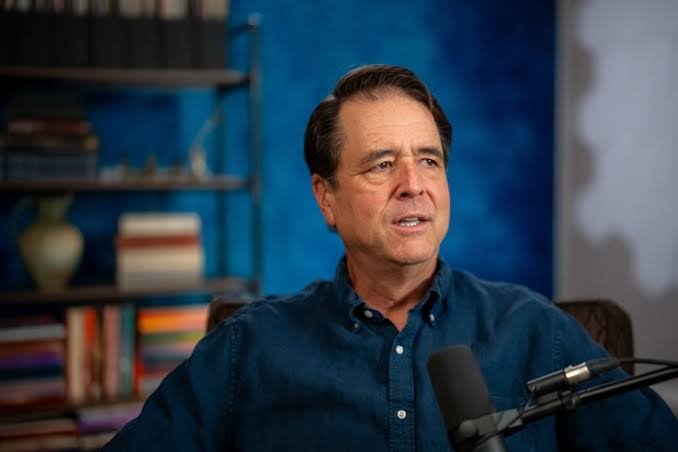
Why Did the LDS Church Sue John Dehlin?
The Church alleges that Mormon Stories used trademarks and copyrighted material in ways that could make some people believe the podcast was connected with or endorsed by the Church. Its complaint points to the term “Mormon,” the podcast’s visual branding, a light-rays design, and certain Church-owned images.
The Church says the dispute is about source confusion, not about silencing criticism. In an August 20 update, it stated that Dehlin may criticize the Church and may use “Mormon” in connection with his podcast, but argued that federal law does not allow the use of protected marks or copyrighted images in a way that is likely to create confusion.
The Church also says it contacted Open Stories Foundation in November 2025 and attempted to resolve the issue through negotiations and mediation before filing suit.
How Is Dehlin Fighting the Case?
Dehlin and Open Stories Foundation deny that their podcast unlawfully infringes the Church’s rights. On June 22, 2026, they filed an answer, counterclaims, and a motion to dismiss.
Their position is that “Mormon” is widely used as a religious and cultural term and that the Church cannot use trademark law to control ordinary discussion of Mormonism. Their legal arguments include First Amendment protection, trademark fair use, abandonment, and laches, a doctrine that can limit claims when a rights holder waits unreasonably long to enforce them.
The defense also argues that Mormon Stories has operated for roughly two decades and has consistently presented itself as independent from the Church.
Why the First Amendment Matters
This dispute is not a simple question of whether the Church owns a registered trademark. U.S. trademark law generally protects consumers from confusion about the source or sponsorship of goods and services. At the same time, trademark rights must coexist with the First Amendment, particularly when a name is used to discuss, criticize, report on, or identify the subject of speech.
That tension has drawn outside attention. In August 2026, the ACLU of Utah and the Electronic Frontier Foundation filed friend-of-the-court briefs supporting Mormon Stories. The ACLU argued that trademark law should not be used to monopolize ordinary language or prevent meaningful criticism and discussion of a powerful institution.
What Is the Latest Development?
The legal fight took another turn in late September. Dehlin’s lawyers filed supplemental material pointing to the Church’s earlier opposition to an attempted “BAD MORMON” trademark registration connected with author and television personality Heather Gay. The defense argues that this history is relevant to its claim that the Church has used trademark law broadly against uses of “Mormon.”
The Church responded on October 1, arguing that the supplemental filing was procedurally improper and that the separate trademark proceeding does not resolve the issues in the Mormon Stories lawsuit.
A hearing on Mormon Stories’ motion to dismiss is scheduled for November 24, 2026, before U.S. District Judge Robert J. Shelby.
What Could Happen Next?
Judge Shelby could dismiss all or part of the Church’s claims, allow the lawsuit to continue, or require further proceedings on particular issues. If substantial claims survive, the parties could move into discovery, where documents, testimony, and evidence concerning branding, consumer confusion, and intellectual-property ownership may become important.
For now, neither side has won. The case is significant because it sits at the intersection of trademark protection, copyright law, religious identity, criticism, and free speech. Its outcome could offer useful guidance on how far organizations can go in protecting branding when independent commentators use familiar religious or cultural terms.
This article provides general information about an ongoing U.S. lawsuit and does not constitute legal advice.