 By Samantha Paul
 General Motors is facing a proposed class-action lawsuit alleging that certain Chevrolet, GMC and Buick vehicles contain defective radiator-hose connectors that can leak coolant, potentially causing engines to overheat and suffer serious damage. The lawsuit was filed by Georgia vehicle owner Jonathan Dixon, who claims GM knew or should have known about the cooling-system problem but failed to adequately disclose it to buyers. The case remains at an early stage, and no court has determined that the affected GM vehicles are defective.
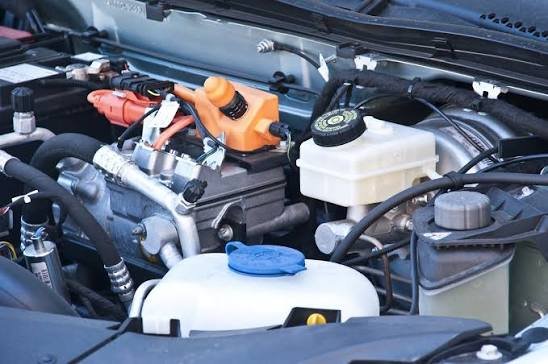
What Is the GM Engine Overheating Lawsuit About?
The case is Jonathan Dixon v. General Motors LLC, Case No. 2:26-cv-00217, filed on June 26, 2026, in the U.S. District Court for the Northern District of Georgia.
Dixon alleges that quick-connect fittings used on radiator hoses can develop leaks prematurely. Because engine coolant is necessary to control operating temperature, substantial coolant loss can allegedly lead to overheating, reduced engine performance and eventual engine damage or failure.
The federal docket identifies the lawsuit as a proposed class action brought under the Magnuson-Moss Warranty Act, among other theories asserted in the complaint. Dixon has requested a jury trial.
Which GM Vehicles Are Allegedly Affected?
The complaint reportedly covers five groups of newer GM vehicles.
Vehicles identified in the lawsuit include:
- 2023–2026 Chevrolet Colorado
- 2023–2026 GMC Canyon
- 2024–2026 Chevrolet Traverse
- 2024–2026 GMC Acadia
- 2025–2026 Buick Enclave
The Colorado and Canyon vehicles use GM’s L3B 2.7-liter turbocharged four-cylinder engine, while the Traverse, Acadia and Enclave models identified in the case use the LK0 2.5-liter turbocharged four-cylinder engine.
The lawsuit does not establish that every vehicle in these model years will experience a coolant leak.
What Is Wrong With the Radiator Hose Connector?
Modern GM cooling systems circulate coolant between the engine and radiator through a sealed system. Quick-connect fittings are used to join sections of the radiator hoses.
Dixon alleges that seals or connections in these fittings can fail prematurely, allowing coolant to escape.
If a vehicle continues operating with insufficient coolant, engine temperatures can rise beyond safe levels. The alleged consequences include overheating, warped components, cylinder-head or head-gasket damage and, in extreme situations, complete engine failure.
The complaint also raises concerns that a serious coolant loss could result in sudden engine disablement while the vehicle is being driven.
What Happened to Plaintiff Jonathan Dixon?
Dixon says he purchased a new 2024 Chevrolet Colorado in March 2024.
By February 2026, the truck had accumulated approximately 44,400 miles when its check-engine light illuminated. Dixon also allegedly noticed a metal-on-metal grinding sound while driving at low speeds.
According to reports describing the complaint, a Chevrolet dealership found diagnostic trouble code P3075 and discovered that the vehicle had low coolant because of a leak at the quick-connect end of the upper radiator hose.
Dixon says he paid $489.36 for the repair because his truck had already passed the mileage limit of GM’s three-year/36,000-mile bumper-to-bumper warranty.
He further alleges that the problem diminished the value of his vehicle.
Did GM Already Know About the Coolant Leak Problem?
The issue of GM’s prior knowledge is likely to become an important part of the litigation.
The complaint points to Service Bulletin PIT6494A, issued by GM in March 2026, involving upper radiator-hose quick-connector seal failures in Chevrolet Colorado and GMC Canyon vehicles.
The lawsuit also references GM’s Special Coverage Program N262546590, which concerns lower radiator-hose quick-connector seals on certain other GM vehicles.
Dixon argues that these actions show GM was aware of problems associated with radiator-hose connectors but did not provide a sufficient remedy for every affected owner.
A service bulletin, however, does not by itself establish that GM knowingly sold defective vehicles or is legally responsible for consumers’ damages.
Why Does the Warranty Matter?
Dixon’s personal experience illustrates one of the major issues raised by the lawsuit.
His Colorado allegedly developed the coolant leak at about 44,400 miles. That placed the vehicle outside the 36,000-mile limit of GM’s standard bumper-to-bumper warranty even though the truck was less than two years old.
The complaint argues that consumers should not be forced to pay for repairs to a component that allegedly contains an inherent defect.
Because the federal docket lists the Magnuson-Moss Warranty Act as the case’s cause of action, warranty obligations will play an important role in determining whether GM can be held responsible.
What Is the Lawsuit Seeking?
Dixon seeks to represent other owners and lessees who purchased affected GM vehicles.
The lawsuit seeks damages and other available relief for alleged warranty violations and economic losses associated with the cooling-system defect. It also seeks class-action treatment.
No class has yet been certified, meaning vehicle owners are not currently members of a court-approved class simply because they own one of the listed models.
Is There a GM Overheating Lawsuit Settlement?
As of August 29, 2026, there is no settlement, settlement fund or claim form associated with Dixon v. General Motors. Public docket information reviewed in August showed the case still at the complaint stage.
GM has not been found liable, and the allegations concerning defective radiator-hose connectors remain unproven.
The case nevertheless could be important for owners of newer Chevrolet, GMC and Buick vehicles because it asks whether the radiator-hose connection is an isolated repair issue or a common design or manufacturing problem that GM should address more broadly. Future proceedings will determine whether Dixon can obtain class certification and ultimately prove that GM violated federal or state consumer-protection and warranty laws.