 By Olivia Wilson
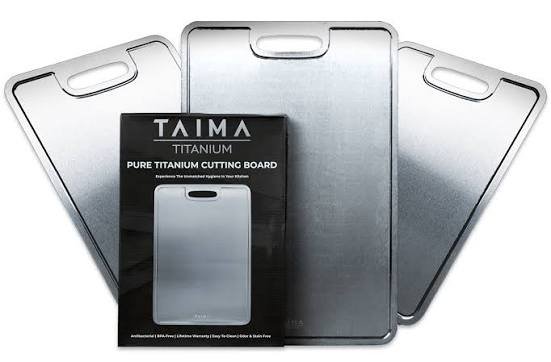
 Taima Titanium sells titanium cookware, cutting boards, utensils and drinkware online, often promoting its products as toxin-free, PFAS-free, antibacterial and backed by money-back guarantees. The key question for U.S. shoppers is not simply whether the website is real, but whether its sales practices, product claims, shipping promises and refund handling inspire enough confidence to justify a purchase.
Based on publicly available information as of October 2026, Taima Titanium appears to be an operating online seller rather than an anonymous website. However, there are significant consumer-protection concerns that shoppers should understand before placing a high-value order.
What the BBB Record Shows
The Better Business Bureau lists Taima Titanium as an online shopping business in Pomona, California. It is not BBB accredited and currently carries an F rating. BBB says 46 complaints were filed and all 46 were unanswered. Complaints include allegations involving delayed or missing deliveries, refund problems, product issues and customer-service difficulties.
The BBB also opened an investigation after receiving a pattern of consumer inquiries. In June 2026, it asked Taima to substantiate, change or discontinue several advertising claims, including claims involving media references, customer numbers, sale pricing, guarantees, sustainability, toxin-free products, certification and antibacterial properties. BBB says the business had not responded to that request as of July 21, 2026.
That does not, by itself, prove fraud or establish a violation of law. BBB is a private organization, not a government regulator. But an F rating, unanswered complaints and an unresolved advertising inquiry are material warning signs for consumers evaluating risk.
Advertising Claims and U.S. Law
Taima’s current website advertises statements such as “Rated #1 Titanium Pan in U.S.,” “600,000+ Customers,” “100% toxin-free,” “certified,” “antibacterial,” “free returns” and a 120-day money-back offer.
Under Section 5 of the Federal Trade Commission Act, businesses may not engage in unfair or deceptive practices. Objective advertising claims must have a reasonable factual basis. FTC guidance also says health or safety claims generally require competent and reliable scientific evidence.
This means a company making measurable claims about purity, safety, antibacterial performance, certifications or health-related benefits should be able to support those claims with appropriate evidence. The existence of a marketing statement on a website does not itself establish that the claim has been independently verified.
Shipping Delays and Refund Rights
Federal law gives online shoppers important protections. Under the FTC’s Mail, Internet, or Telephone Order Merchandise Rule, a seller must ship within the time it promises. If no shipping time is stated, the seller generally must ship within 30 days.
If the seller cannot ship on time, it must notify the buyer and offer a choice: consent to the delay or cancel for a prompt refund. If the seller cannot ship and the customer does not agree to wait, the seller cannot simply keep the payment indefinitely.
Consumers who paid by credit card may have additional protection under the Fair Credit Billing Act. Charges for merchandise not delivered as agreed can qualify as billing errors. The FTC and Consumer Financial Protection Bureau advise consumers to contact the card issuer promptly; written billing-error notices generally should be sent within 60 days after the statement containing the disputed charge was sent.
So, Is Taima Titanium Legit?
The fairest conclusion is that Taima Titanium appears to be a functioning commercial seller, but its current consumer record raises enough concerns that U.S. buyers should proceed cautiously. Calling it a “scam” as a legal conclusion would go beyond the available evidence. At the same time, the BBB’s F rating, unanswered complaints and advertising-substantiation concerns should not be ignored.
Before buying, save screenshots of the product page, guarantee, advertised shipping time and return terms. Pay by credit card rather than debit card when possible. Keep order confirmations and emails. If an order is not delivered or a promised refund is not processed, contact the seller in writing, dispute the charge promptly with the card issuer and consider filing complaints with the FTC, BBB and the consumer-protection office in your state.
For an expensive cookware purchase, those precautions matter just as much as the product claims themselves. This article provides general U.S. consumer-law information and is not individual legal advice.